

Updates

How Can You Spot Shower Grout and Cracked Tile Damage Before It Gets Worse?
Shower grout and bathroom tiles experience constant exposure to water, humidity, and everyday use, making them vulnerable to gradual deterioration. Small grout cracks, loose tiles, discoloration, and persistent moisture can sometimes indicate problems that extend beyond the visible surface. Recognizing these warning signs early allows homeowners to investigate the cause and determine whether targeted repairs are appropriate. In this guide, Florida Tile Repair explains how to identify common shower grout and tile problems, why moisture management matters, and when professional restoration may help preserve existing bathroom surfaces without requiring a complete renovation.

Why Do Bathroom Tiles Crack, Loosen, or Develop Moisture Damage?
Bathroom tiles are designed to withstand everyday use, but cracks, loose surfaces, deteriorating grout, and moisture-related problems can develop over time. In Florida homes, frequent humidity and exposure to water make proper installation and maintenance especially important. Understanding the difference between cosmetic damage and deeper installation problems can help homeowners decide when professional tile repair is necessary. This guide explains the most common causes of bathroom tile damage, warning signs that shouldn’t be ignored, and how professional tile and grout repair can help restore the appearance and functionality of bathroom surfaces without automatically replacing every tile.
When Should Homeowners Choose Grout Repair in Florida Instead of Replacing Tile?
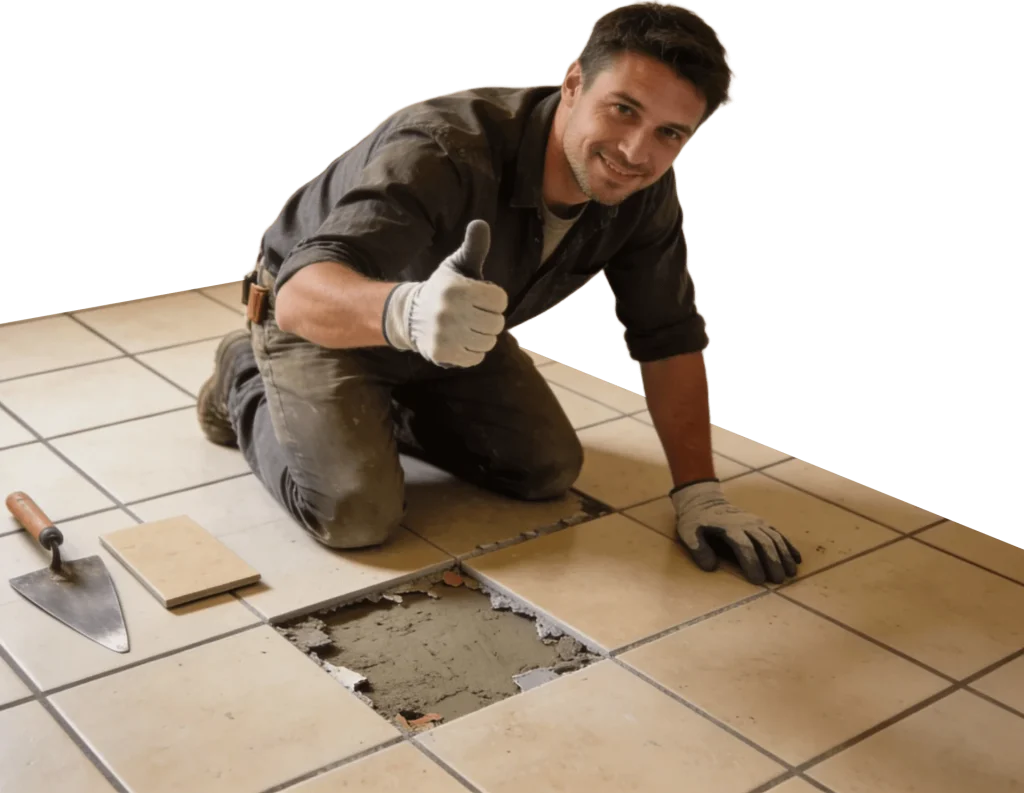
Cracked, stained, or deteriorating grout can affect more than the appearance of a tiled surface. Grout joints help complete a tile installation, and their condition can reveal problems involving movement, cleaning products, moisture, or aging materials. For Florida homeowners, humidity and frequent exposure to water make bathroom and kitchen maintenance particularly important. Understanding when grout can be repaired, when replacement may be appropriate, and how to care for surrounding tiles can help prevent unnecessary renovation costs. This guide also explains the difference between maintaining interior tile surfaces and roof tiles, which require completely different installation and maintenance methods.
Why Does Your Tile Sound Hollow When You Walk on It?
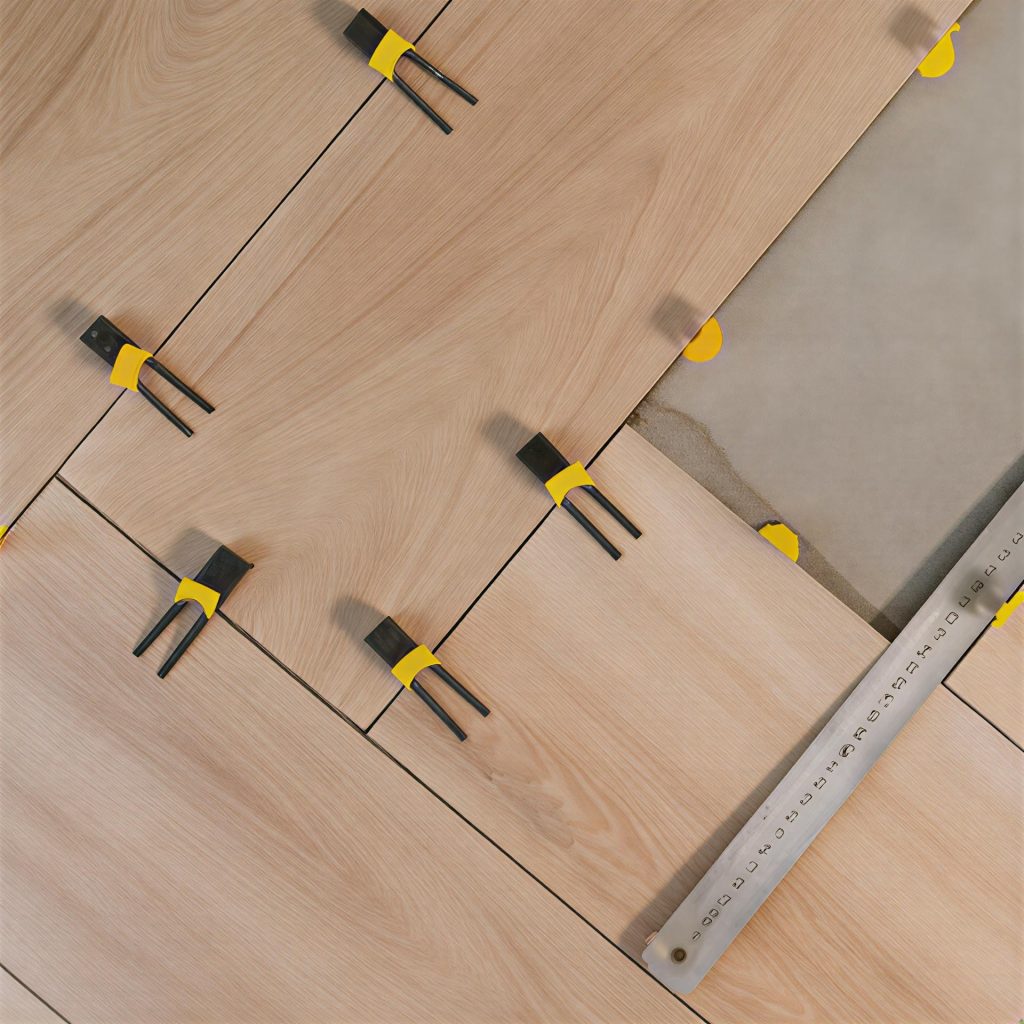
Tile flooring can look perfectly normal while problems develop beneath the surface. One clue homeowners sometimes notice is a hollow or different sound when tapping or walking across certain tiles. A change in sound doesn’t automatically mean the tile is about to fail, but widespread hollow areas combined with movement, cracking, loose grout, or other visible damage can indicate that the tile should be evaluated. Understanding the difference between cosmetic grout problems and conditions involving the bond beneath the tile can help Florida homeowners determine when targeted repair may be appropriate and when a larger section of flooring deserves professional attention.

Should You Repair Your Tile Before Starting a Remodel?
A remodeling project often begins with exciting decisions about colors, fixtures, cabinets, flooring, and finishes, but the condition of existing tile deserves attention before new materials are installed around it. Cracked tiles, loose sections, deteriorating grout, hollow areas, moisture-related damage, and worn surfaces can influence how a bathroom, kitchen, or floor renovation should move forward. In some cases, targeted repairs can preserve existing tile and allow it to blend naturally with updated areas. In others, the extent of deterioration may require a broader restoration strategy. Understanding the condition of the existing installation before remodeling begins can help Florida homeowners avoid covering up problems and make more informed decisions about what should remain, what should be repaired, and what truly needs replacement.

When Does Damaged Grout Need Professional Repair?
Grout may seem like a small detail compared with the tile surrounding it, but its condition can have a major effect on how a tiled surface looks and performs. Cracks, missing sections, discoloration, crumbling grout, and recurring problems around showers or bathroom floors can indicate that routine cleaning is no longer enough. In some cases, professional grout repair can restore the area without replacing the surrounding tile. In others, damaged grout may be one sign of loose tile, movement, moisture-related concerns, or another underlying issue that deserves closer attention. Understanding the difference can help Florida homeowners address problems earlier and make more practical decisions about maintaining bathrooms, floors, showers, backsplashes, and other tiled areas.